
Body Tightening After Pregnancy: Non-Surgical Options in Malaysia

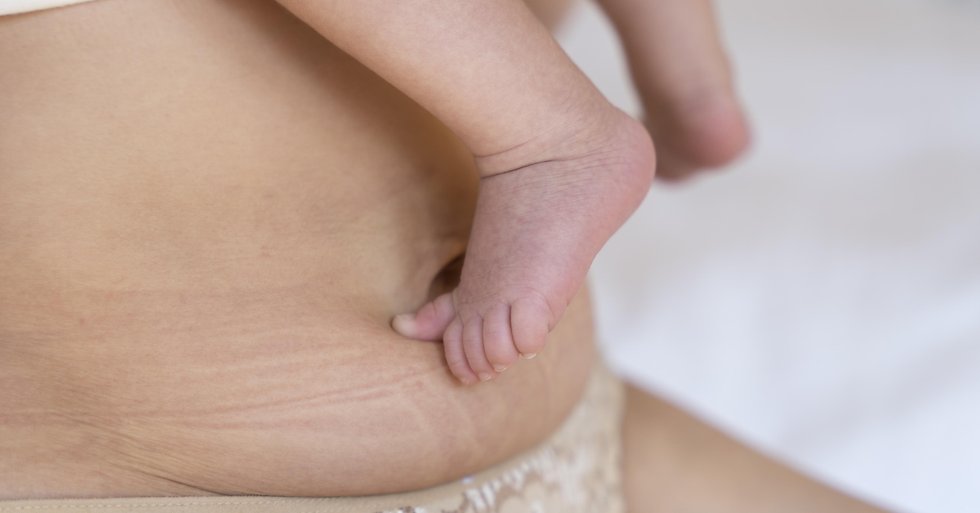
You've lost the baby weight and your clothes fit again, but your stomach still doesn't look or feel right. What most postpartum advice won't tell you: what you're calling "loose skin" might actually be three or four different conditions happening at once.
If you've been doing planks, applying firming creams, and still not seeing results, it's not because you're not trying hard enough.
Key Takeaways
It's not one problem. Postpartum "loose skin" is usually a combination of skin laxity, residual fat, diastasis recti, or stretch marks, each requiring a different fix.
Exercise has a ceiling. Core exercises rebuild muscle but cannot repair damaged collagen in the dermis. If your belly still feels loose 12+ months postpartum, the issue is likely structural.
Skin tone matters. Not all energy-based treatments are safe for Fitzpatrick III–V skin. Nd:YAG lasers and radiofrequency bypass melanin and are validated for Malaysian skin tones.
"Loose Skin" Is Actually Four Different Problems

Source: Magnific
A postpartum belly that won't tighten is not a single condition. It falls into four distinct categories, and most women have a combination of two or more.
Skin Laxity
Collagen and elastin fibers in the dermis become permanently overstretched during pregnancy. The skin feels thin and crepey when pinched, with minimal tissue underneath. Losing more weight will not fix this and may actually make it worse by removing the volume filling out the skin.
Residual Subcutaneous Fat
This type of fat sits between the skin and the abdominal muscle wall. It accumulates during pregnancy to support lactation and often resists diet and exercise, especially in the lower abdomen. When pinched, it feels thicker and more cushioned compared to true skin laxity.
Diastasis Recti
This is a separation of the rectus abdominis muscles along the midline. Research published in Scientific Reports found it affects approximately 60% of women at six weeks postpartum and around 33% at 12 months. Signs include a visible bulge when sitting up from lying down that no amount of crunches improves.
Standard core exercises like planks and sit-ups can worsen the separation if it is significant, so proper assessment is essential before starting any abdominal training program.
Stretch Marks
These are dermal scars that form when the skin tears due to rapid stretching. They require their own treatment pathway, such as fractional laser or stretch mark removal by laser. For more on what causes them, read our guide on stretch marks after pregnancy.
A Quick Self-Check
Pinch the skin on your lower abdomen. Thin and crepey? Likely skin laxity. Thick and cushioned? Likely residual fat. Midline ridge when you sit up? Possibly diastasis recti. Most women have more than one.
What Actually Works (and What Doesn't) for Postpartum Belly

Source: Magnific
Exercise and Core Training
Core exercises genuinely strengthen the muscles underneath the skin and improve overall body composition. Walking, swimming, and resistance training help with residual fat loss.
But exercise targets muscle and fat, not the dermis, so if your concern is true skin laxity, exercise alone has a biological ceiling.
Nutrition and Collagen Supplements
Nutrition and hydration support your body's natural collagen production. Adequate protein, vitamin C, and zinc all matter during postpartum healing. Hydrolyzed collagen peptides may modestly improve skin hydration and elasticity over several months.
These are reasonable complements to recovery, not standalone solutions.
Firming Creams and Belly Wraps
Topical firming products hydrate the surface layer and provide abdominal comfort, especially after a C-section. However, no topical product can penetrate to the dermis where structural collagen damage occurs. They improve how the skin feels, not how the skin heals.
Modern aesthetic medicine complements your effort rather than replacing it. Our article on intelligent body beauty explores this science-driven approach in detail.
The Honest Bottom Line
If you've been consistently exercising and eating well but your belly still feels loose, the remaining issue is very likely structural. Muscle weakness responds to training. Fat responds to diet and movement.
But collagen damage in the dermis does not respond to either, and that distinction is the key to choosing the right next step.

Have questions about your specific postpartum concern?
Tell us how long it's been since delivery and what you've been experiencing. No obligation, just clarity.
Non-Surgical Treatments That Are Safe for Malaysian Skin Tones

For Malaysian women with Fitzpatrick III–V skin tones, the most important factor in choosing a postpartum treatment is how the device interacts with melanin. Ablative lasers and IPL are absorbed by melanin, increasing the risk of post-inflammatory hyperpigmentation.
The treatments below all bypass melanin through different mechanisms: laser wavelength, ultrasound, injection, or radiofrequency heat. This is why they are validated as safe for darker skin tones.
A review in Dermatologic Surgery confirmed that nonsurgical approaches, including radiofrequency and Nd:YAG-based treatments, show meaningful improvements in postpartum body contour.
Research in the British Journal of Dermatology further supports the use of long-wavelength lasers and RF devices for skin tightening in ethnic skin.
Fotona TightSculpting uses two Fotona laser wavelengths in one session. The PIANO pulse Nd:YAG heats the fat layer to disrupt fat cells while stimulating deep collagen production. The SMOOTH pulse Er:YAG remodels the surface collagen to improve texture.
This dual action addresses both skin laxity and residual fat simultaneously, making it the strongest option for combination concerns. No downtime; typically 3–6 sessions. For more detail, read our Mommy Makeover guide.
⭐⭐⭐⭐⭐
Carmel Power
“I had a lovely experience from the dream clinic ladies in Penang ! Treatments I had was fotona 4D which I never had before would recommend highly no downtime also had Botox which was also very good ! Would highly recommend a visit to the clinic the doctor who looked after me was DR Amaani.”

Source: MD Cosmedical
HIFU treatment Malaysia delivers focused ultrasound energy to the subcutaneous fat layer, destroying fat cells while stimulating collagen in the dermis. Best for residual fat with mild-to-moderate skin laxity.
Our HIFU treatment guide explains the full process.
Meso Fat-Fade dissolves localized fat in small, stubborn areas like the lower abdomen or love handles through targeted injections. Multiple sessions are typically spaced 4–6 weeks apart.
RF microneedling combines radiofrequency energy with fine needles that create controlled micro-injuries in the dermis. This triggers the body's wound-healing response, producing new collagen to repair stretch marks and improve skin texture.
Matching Your Concern to the Right Treatment
Your Primary Concern | Recommended Treatment |
Skin laxity | Fotona TightSculpting (Nd:YAG collagen stimulation) |
Residual fat | HIFU Body or Meso Fat-Fade |
Skin laxity + fat (combination) | Fotona TightSculpting (addresses both) |
Stretch marks | Fractional laser or RF microneedling |
Diastasis recti | Physiotherapy first |
When to Start Treatment After Delivery

Source: Magnific
Most doctors recommend waiting at least six months after vaginal delivery before considering non-surgical skin tightening. The body undergoes significant hormonal and structural changes in the first six months, and starting too early means the body hasn't finished its natural recovery.
After C-section, the timeline extends further. The deeper fascial and muscular layers require months of remodeling beyond what the external scar suggests. Most practitioners recommend waiting 6 to 9 months before any body treatments targeting the abdominal area.
Many Malaysian mothers also observe confinement (pantang) for 30–44 days postpartum, during which activity is limited and specific rest practices are followed. Any treatment timeline should respect this recovery window.
Most natural skin recovery happens in the first 6 to 12 months as hormones stabilize. After 12 months, remaining laxity is unlikely to improve further without professional help. This is the ideal time for a consultation, because your doctor can assess what has recovered naturally and what needs targeted treatment.
For a broader look at non-surgical body contouring, read our guide on fat freezing for body contouring.
Your Beauty, Backed by Medical Expertise
All treatments are performed by qualified doctors using FDA-approved technologies, ensuring safety and natural-looking results.
Why Dream Clinic

Multi-treatment expertise: Fotona TightSculpting, HIFU Body (ULTRAcel Q+), and Meso Fat-Fade under one roof, so your doctor matches the right treatment to your specific concern.
Fitzpatrick-calibrated settings: Our doctors adjust every device parameter for your skin tone, not generic factory defaults.
LCP-certified doctors only: Every treatment performed by a Ministry of Health credentialed aesthetic doctor.
Diagnose first, treat second: Consultations begin with a full postpartum body assessment before any treatment is recommended.
⭐⭐⭐⭐⭐
Phạm Nguyệt Ánh
“Service and Dr. Vera is so nice, detail and careful. Will comeback for sure in the future for other treatment. Thanks to Meijo as well for taking care of me”
Conclusion
Postpartum skin recovery is not one-size-fits-all. Understanding whether you are dealing with skin laxity, residual fat, muscle separation, or a combination is the first step toward a solution that actually works.
Your body did something extraordinary. The right treatment, matched to your skin tone and timeline, can help you feel confident in it again.
Ready to stop guessing? Book a consultation with an LCP-certified doctor at our aesthetic clinic in Penang, Kuala Lumpur, or Johor.
Penang Branch: 2, Jalan Lima, Tanjung Tokong, 10470 Tanjung Bungah, Pulau Pinang
KL Branch: D-03-1, Pusat Perdagangan Bandar, Persiaran Jalil 2, Bukit Jalil, 57000 Kuala Lumpur
Johor Branch: No. 31 (Ground Floor), Jalan Eko Botani 3/7, Taman Eko Botani, 79100 Iskandar Puteri Johor. (Temporarily closed)
FAQs
Q1. What affects whether my skin will recover on its own?
Several factors determine how much natural recovery you can expect: age at delivery (collagen production declines after 30), genetics (some women naturally produce more elastin), number of pregnancies (each one stretches the same tissue further), and total weight gained during pregnancy.
Women who gained more than 15 kg or delivered after age 35 are more likely to experience persistent laxity that doesn't resolve with time alone.
Q2. Can I get skin-tightening treatment while breastfeeding?
Most non-invasive treatments like radiofrequency and ultrasound work locally on skin tissue and do not enter the bloodstream. This makes them generally compatible with breastfeeding. Always discuss your breastfeeding status with your treating doctor before scheduling.
Q3. Should I wait until I'm done having children before getting treatment?
No. Treating between pregnancies is both safe and practical. Each pregnancy is an independent event for your skin, and the collagen your body builds through treatment provides a stronger foundation for recovery after subsequent deliveries.
Waiting years "just in case" means living with a concern that can be addressed now.
Q4. What aftercare do I need in Malaysia's tropical climate?
Sun protection is critical after any energy-based treatment. Malaysia's year-round UV exposure can trigger post-inflammatory hyperpigmentation on treated skin. Apply broad-spectrum SPF 50 daily, avoid direct midday sun for the first two weeks after treatment, and keep the treated area well moisturized in humid conditions.
References
1. Saedi, N., & Kaminer, M. (2021). Nonsurgical postpartum abdominal rejuvenation: A review and our experience. Dermatologic Surgery, 47(6), 771–776. https://pubmed.ncbi.nlm.nih.gov/33867470/
2. Lin, S., Lu, J., Wang, L., Zhang, Y., Zhu, C., Qian, S., Xu, H., & Gu, Y. (2024). Prevalence and risk factors of diastasis recti abdominis in the long-term postpartum: A cross-sectional study. Scientific Reports, 14, 25174. https://www.nature.com/articles/s41598-024-76974-x
3. Alexis, A. F. (2013). Lasers and light-based therapies in ethnic skin: Treatment options and recommendations for Fitzpatrick skin types V and VI. British Journal of Dermatology, 169(Suppl 3), 91–97. https://pubmed.ncbi.nlm.nih.gov/24098905/
4. Wat, H., Wu, D. C., Rao, J., & Goldman, M. P. (2020). Efficacy and safety of high-intensity focused ultrasound for noninvasive abdominal subcutaneous fat reduction. Dermatologic Surgery, 46(2), 213–219. https://pubmed.ncbi.nlm.nih.gov/31490305/
5. Medical News Today. (2025). Loose skin after pregnancy: Pictures, treatments, and timeline. https://www.medicalnewstoday.com/articles/loose-skin-after-pregnancy
6. DermNet NZ. (2024). Nd:YAG laser treatment. https://dermnetnz.org/topics/ndyag-laser-treatment
7. Healthline. (2019). 7 tips for firming loose skin after pregnancy. https://www.healthline.com/health/pregnancy/loose-skin-postpartum


