
How to Get Rid of Freckles Before Wedding


Getting married is one of those rare seasons where everything feels heightened, especially the photos. With makeup trials and flash photography, freckles can suddenly look more noticeable in pictures than they do in the mirror, and what used to be easy to ignore can start to feel frustrating.
If you’re in that headspace, here’s the reassuring truth: freckles can be improved before your wedding, but the best results come from a timeline-first plan, not last-minute experiments.
That’s exactly what we’re here to help you with. In this guide, you’ll learn how to tell true freckles from sunspots, what you can do at home to prevent them from getting darker, and the most wedding-safe in-clinic treatments, so your skin stays calm, even, and camera-ready for your big day, without any last-minute surprises.
What Are Freckles?

Freckles (also known as ephelides) are small, flat spots caused by concentrated melanin near the surface of the skin. They’re often light to medium brown and commonly appear on the cheeks, nose, and shoulders.
Freckles are usually more noticeable after sun exposure and may look lighter when you’ve been strict with sun protection, which is one reason they can seem to “change” throughout the year.
What makes freckles different from other types of discolouration is that they’re typically small and scattered, rather than forming larger patches.
Understanding Freckles and Other Skin Concerns

One of the easiest ways to check whether you have freckles or sunspots is to ask yourself: Do these spots get noticeably darker after sun exposure or holidays? If yes, they may be freckles. If they stay the same year-round and look more “stamped on,” they may be sunspots.
Concern | What it looks like | Common clue |
Freckles (ephelides) | Small, scattered flat dots | Darken with sun, may fade with strict SPF |
Sunspots (lentigines) | Larger, more defined spots/patches | Usually don’t fade much seasonally |
Post-acne marks (PIH) | Spots where pimples used to be | Matches breakout zones, fades slowly |
Melasma | Patchy, symmetrical areas | Often linked to hormones/heat |
Worried that “tired-looking” eyes mean you need stronger treatments right away? Learn what actually causes a tired face — and why the right diagnosis matters more than the trendiest treatment.
Pre-Wedding Freckle Removal Timeline

When you’re treating freckles before a wedding, timing matters just as much as the laser freckle treatment itself. The reason is simple: some options can cause short-term changes, so the safest strategy is to plan backwards from your photo dates and leave buffer time, ensuring your skin remains stable for the moments that matter most.
1. List your key dates first (don’t guess)
Write down:
Engagement photos
Pre-wedding shoot
Makeup trial(s)
Wedding week events (rehearsal, dinner, henna, ROM/nikah, etc.)
Your goal is to ensure your skin looks stable and calm for the earliest photo milestone.
2. Work backwards with a buffer time
Even “low downtime” treatments can vary from person to person. Buffer time protects you from unexpected dryness, texture changes, or temporary pigment darkening — and it also gives you room to adjust if your skin needs extra calming.
Bridal rule: the closer you get to photos, the more you prioritise predictability over intensity.
3. Your “no-new-treatment” windows
To avoid last-minute surprises, use these practical windows:
4 weeks before your shoot: aim to finish anything that could cause visible flaking or irritation (especially if you’re sensitive/reactive).
2 weeks before your shoot: no first-time treatments, no new strong skincare, no DIY experiments. Focus on hydration and barrier care.
Wedding week: stability mode — keep everything consistent, gentle, and boring (in the best way).
If you’re unsure, stop new things earlier rather than later.
4. How to time makeup trials vs treatments
Makeup looks best on skin that isn’t dry, irritated, or actively shedding.
Best practice:
Schedule your makeup trial when your skin is in its most stable phase (not immediately after a treatment).
Avoid booking treatments in the days leading up to your trial.
Keep your skincare routine consistent for at least 1–2 weeks before the trial so your makeup artist sees your “real” skin behaviour.
Bride tip: If you have both a makeup trial and a shoot, do the trial first, then keep your skin calm and consistent leading into shoot day.
5. Flash/HD tips
Professional lighting and HD cameras can make freckles and texture look stronger. But aggressive last-minute fixes often create new problems (redness, patchy foundation, dry texture).
For better photos:
Prioritise even, hydrated skin over trying to erase every freckle
Avoid over-exfoliating (it can make foundation cling and emphasise texture)
Stay strict with SPF to prevent freckles from darkening right before photos
Tell your photographer you’re concerned — lighting angles and editing choices can make a big difference
Bottom line: calm, well-moisturised skin photographs beautifully. A stable base will almost always beat a risky last-minute treatment.
Worried acne scar treatments will thin your skin or make things worse? Discover why acne scars need different solutions — and why the right doctor-led plan matters more than the “best laser.”
Which Freckle Treatment Is Right for You?

Not every freckle treatment is a good idea close to a wedding. The best bridal-friendly option is the one that gives visible improvement with the lowest risk of downtime and that fits your schedule.
1. Pico Laser

Pico laser is an advanced laser that delivers energy in ultra-short pulses (picoseconds — a trillionth of a second). These rapid pulses help break pigment into tiny particles, which your body gradually clears over time.
Because the pulses are so fast, there’s often less heat spread to surrounding skin compared with some older laser types, which is why pico is commonly described as a gentler option for targeted pigmentation work.
Why brides like it:
More targeted and powerful for stubborn freckles than some light-based treatments
Downtime is generally manageable when planned properly
A good option if you want faster pigment results but still need a bridal-safe schedule
What to expect:
Mild redness is common, and some spots may temporarily darken before they fade. Improvements usually happen over a few sessions, and sun protection remains essential to maintain results and prevent freckles from returning.
Watch-outs:
Still may cause brief redness/dryness; occasional temporary darkening
Works best as a series (not a one-session fix)
Higher cost than some alternatives
At Dream Clinic, our Pico Laser treatments use the Fotona Pico PQX Laser to target freckles and dark spots with precision, improving clarity with a bridal-friendly plan. Ready for a safer, personalized approach? Book your consultation with us today.
2. Fotona SP Dynamis Laser

Fotona SP Dynamis is a laser platform that can be used in different modes to support skin rejuvenation. Depending on your skin concerns and the settings used, it can help improve overall clarity and uneven tone as part of a bridal plan.
Why brides like it:
Can be customized into a bridal-friendly treatment plan
Supports an overall “glow + clarity” look (great under makeup and flash)
Can be staged across months, so you’re not rushing close to the wedding
What to expect:
Most brides experience mild redness or warmth that settles quickly, and results build gradually over a series. Because it’s typically planned in sessions, it’s best to start months ahead of key photo dates so your skin has time to respond and fully settle.
Watch-outs:
Results and downtime depend heavily on the mode/settings and your skin type
Not every pigmentation type responds the same way—assessment matters
Avoid scheduling your first session right before a shoot in case your skin is more reactive than expected
At Dream Clinic, Fotona SP Dynamis NX Line Fractional Laser is one of our go-to options for improving overall skin clarity and texture—great if you want a smoother, makeup-friendly bridal glow. Book your consultation to see if it fits your skin and timeline.
3. Sylfirm X
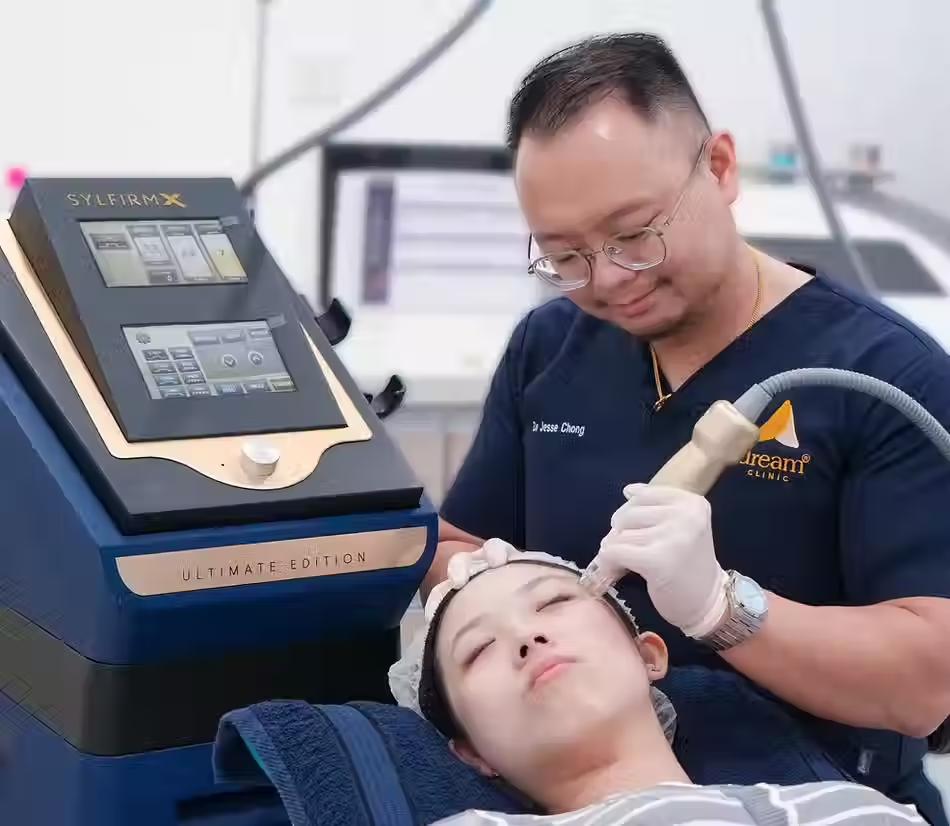
Sylfirm X is a form of RF microneedling (radiofrequency delivered through tiny needles).
Instead of targeting pigment alone, it supports skin remodeling and can help improve uneven tone, especially for people prone to inflammation-related pigmentation or with mixed concerns (pigmentation + redness + texture).
Why brides like it:
Helpful for brides with sensitive or reactive skin who want a more controlled approach
Can support overall skin clarity alongside other treatments
Also helps with texture and pores, so makeup sits smoother in close-up photos
What to expect:
Mild redness is common after treatment, and results typically build gradually over a series of treatments. Because it’s planned as a course, it’s best to start months ahead of key photo dates so your skin has time to settle and improve steadily.
Watch-outs:
Not a “one-session erase” for freckles—results are gradual
Best when chosen based on your skin’s needs (especially if you’re pigmentation-prone or reactive)
Avoid scheduling your first session too close to a shoot in case you’re more sensitive than expected
At Dream Clinic, Sylfirm X Dual-Wave Microneedling System is a go-to option for supporting smoother texture and more even-looking tone, so makeup sits better in close-up photos. Book your consultation today!
4. Thulium BB laser
Thulium BB targets water in the skin, rather than pigment alone, and works on superficial layers (basal epidermis/upper dermis). This can help improve overall tone and “glow” with relatively low downtime, depending on the settings.
Why brides like it:
A gentler option for brides who want overall brightening
Can suit brides with more sensitive skin who prefer a low-disruption plan
Often improves overall clarity, rather than only “spot-by-spot” freckle removal
What to expect:
Treatment is often described as comfortable, and downtime is usually low, but results may look more like gradual overall brightening than instant freckle “erasing”. As with any in-clinic option, it’s best to plan it as part of a series and allow a buffer before key photo dates.
Watch-outs:
Suitability and results depend heavily on settings and skin type, so assessment matters.
Avoid doing your first session right before a shoot
SPF has to be consistent
5. Chemical peels

Chemical peels use solutions (e.g., acids) to exfoliate the skin and improve uneven skin tone.
By exfoliating pigmented layers, peels can lighten superficial pigment over time and speed up skin renewal, but visible peeling can last about a week (and sometimes longer depending on depth), so they’re not ideal close to big events.
Best reserved for brides with a longer runway and good aftercare discipline.
Why brides like it:
Can help with overall brightness and texture, but peeling is visible, so it needs careful scheduling.
What to expect:
Peeling typically lasts several days, and skin can look dry or patchy while it heals — not ideal close to shoots.
Watch-outs:
Peeling can be obvious and patchy for several days
Not ideal close to events; sun sensitivity after
Risk of irritation if overdone
6. Prescription topicals (doctor-guided)
Prescription or doctor-guided creams and serums are designed to reduce pigmentation gradually over time. They can help slow melanin production and/or increase cell turnover, so pigment fades more evenly with consistent use.
Options like hydroquinone are commonly used for hyperpigmentation concerns (including freckles), but they can irritate some skin types — which is why professional guidance matters.
Why brides like it:
No obvious “event downtime” like peeling (though irritation is still possible)
Easy to maintain alongside in-clinic treatments
What to expect:
Results are slower and depend on consistency. Some people experience dryness or sensitivity, especially if they overuse products or start too aggressively. For bridal planning, topicals work best when started many months in advance, so your skin has time to adjust and you can avoid last-minute irritation.
Watch-outs:
Slower results; needs consistency
Can irritate if started too aggressively
Some ingredients aren’t suitable for everyone (needs guidance)
7. At-Home Support

Even if you choose laser or Sylfirm X, at-home care is what helps you keep results. Freckles darken (and can re-form) with UV exposure, so daily sun protection is non-negotiable. A gentle skincare routine also keeps your skin barrier calm, helping makeup sit better and reducing the risk of irritation before key photo dates.
Why brides like it:
No downtime
Helps keep makeup looking smoother (less irritation)
Protects your investment if you’re doing in-clinic treatments
What to expect:
No immediate “erase”, but over time, freckles can look less intense when you stop repeatedly triggering melanin with sun exposure and keep your skin calm and consistent.
Watch-outs:
Don’t experiment close to key dates
Be careful with DIY remedies
SPF has to be consistent
Avoid over-exfoliating
Want an easy way to keep freckles from getting darker? Add a reliable daily SPF like DreamLab UV Radiance Medical Grade Sunscreen from Dream Clinic to your daily skincare routine.
Treatment | Downtime | Required sessions | Best start time |
Fotona SP Dynamis Laser | Low–moderate (mild redness; possible dryness/roughness depending on settings) | Usually a planned series (varies) | 4–6+ months before main photo milestone |
Pico Laser | 1–3 days (mild redness; temporary darkening possible) | 3–5 sessions, ~4 weeks apart | 6+ months before wedding (earlier if the shoot is soon) |
Sylfirm X | 1–3 days (mild redness; possible sensitivity) | Usually a planned series (varies) | 4–6+ months before main photo milestone |
Thulium BB Laser | Low (often mild redness; varies by settings) | varies by settings) Varies (often a planned series) | 4–6+ months before main photo milestone |
Chemical Peels | 5–7 days (visible peeling; dryness/patchiness) | 3–4 treatments, ~4–6 weeks apart | 6+ months before |
Prescription Topicals | None (but irritation/dryness possible) | Daily use (ongoing) | 8–12 months before (best for gradual change) |
At-Home Support | None | Daily habit | Start now |

Your Beauty, Backed by Medical Expertise
All treatments are performed by qualified doctors using FDA-approved technologies, ensuring safety and natural-looking results.
Bridal Aftercare for Freckle Removal
The goal of aftercare isn’t just about healing faster; it’s ensuring your skin looks calm, smooth, and ready for makeup in the weeks leading up to your shoot and wedding.
Do:
Use SPF daily and reapply if you’re outdoors (this protects your results and prevents darkening)
Keep skincare simple for a few days: gentle cleanser + moisturiser + sunscreen
Hydrate and moisturise (calm skin = better makeup)
Use cool compresses if you feel warm or flushed (gentle, clean cloth)
Stick to your provider’s aftercare if they give specific instructions
Choose low-impact workouts for 1–2 days if you’re prone to redness or flushing.
Don’t:
Don’t pick, scratch, or scrub (even if pigment looks darker or feels flaky)
Don’t use strong actives immediately (retinoids, AHA/BHA acids, strong vitamin C, harsh exfoliants) until your skin feels normal again
Don’t overheat your skin right after treatment: avoid saunas, steam rooms, hot yoga, and long hot showers
Don’t schedule a first-time treatment too close to a key event (your skin may react differently than expected)
Don’t do intense workouts right after treatment — sweat and heat can increase irritation for some people
Your Wedding-Ready Skin Plan Starts Here!

The best approach for freckles before your wedding depends on how deep the pigment sits, your skin tone, and how easily your skin reacts, especially when you’re working around engagement photos, a pre-wedding shoot, and the big day.
At Dream Clinic, we combine medical expertise with personalized care to recommend a plan that fits your skin and your timeline, so you can feel confident in close-up photos — without last-minute surprises.
Why patients trust Dream Clinic:
Ranked among the top 3 aesthetic clinics in Penang and KL
Licensed by the Ministry of Health Malaysia (KKM)
Treatments performed by qualified LCP-certified doctors
Using clinically trusted technologies and medical-grade products
Not sure where to start? Book a consultation today to find the freckle treatment that’s best for your skin and wedding timeline.
FAQs
Q1. Is it safe to do freckle removal if I have sensitive skin, eczema, or rosacea-prone skin?
It can be, but you’ll need a more cautious plan. Sensitive or reactive skin is more likely to flare with heat, friction, or strong actives, so the safest approach is usually: professional assessment first, conservative settings, and a focus on barrier repair + sun protection.
Avoid doing first-time treatments close to key photo dates, and tell your provider if you’ve had past reactions, eczema flares, or rosacea triggers.
Q2. What if I’m getting married in a sunny country/beach wedding — should I delay treatment?
Not necessarily, but you must plan around sun exposure. Most pigment treatments require strict sun protection because UV can darken freckles again or cause uneven pigmentation while the skin is healing. If you’re travelling, doing outdoor photos, or having a beach wedding, you may need:
a bigger buffer window before the trip
strict SPF reapplication, shade, hats
a more conservative treatment plan (or pause treatments closer to the date)
If you know you’ll be in strong sun right before the wedding, it’s often smarter to prioritise maintenance and prevention instead of aggressive new treatments.
Q3. If my freckles are genetic, is removal still worth it?
Yes — it can still be worth it. Genetic freckles can often be lightened and made less noticeable, but your tendency to form them doesn’t disappear. Think of it as improvement + maintenance: you may see a clearer, more even look, but you’ll still need ongoing sun protection to prevent new freckles from forming.
Q4. Can I do these treatments if I’m pregnant or breastfeeding?
Always check with your doctor or dermatologist first. Many clinics avoid elective laser or light and certain prescription topicals during pregnancy (and sometimes breastfeeding) out of caution.
If you’re pregnant or trying to conceive close to the wedding, the safest focus is usually sun protection + gentle skincare, and postponing anything higher-risk until you’ve been medically advised it’s appropriate.
Q5. What’s the biggest mistake brides make when trying to fade freckles fast?
Doing too much, too late. The most common mistake is last-minute experimenting:
Strong acids
DIY hacks
First-time in-clinic treatment right before photos
These can trigger redness, peeling, breakouts, or uneven pigmentation. Brides get the best results from a timeline-first plan, started early, with buffer time.
References
1. Che, Q., Wa, Q., Liu, L., Tang, Q., Gao, Y., Lu, J., ... & Xie, Y. (2023). Effectiveness of 730 nm Picosecond Laser for the Treatment of Freckles and Solar Lentigines: A Retrospective Analysis. Dermatologic Therapy, 2023(1), 2070560.
2. Fabian, I. M., Sinnathamby, E. S., Flanagan, C. J., Lindberg, A., Tynes, B., Kelkar, R. A., ... & Kaye, A. D. (2023). Topical hydroquinone for hyperpigmentation: a narrative review. Cureus, 15(11).https://pmc.ncbi.nlm.nih.gov/articles/PMC10723018/


